The WNBA season is a grind. Eighty-two games’ worth of sprinting, cutting, jumping, and contact gets compressed into a few intense months, and the athletes who survive it aren’t just the most talented — they’re the best recovered.
That’s why sports massage has become a non-negotiable part of life for professional basketball players. It’s not a luxury spa day. It’s maintenance, the same way you’d service a race car between races.
What Sports Massage Actually Does
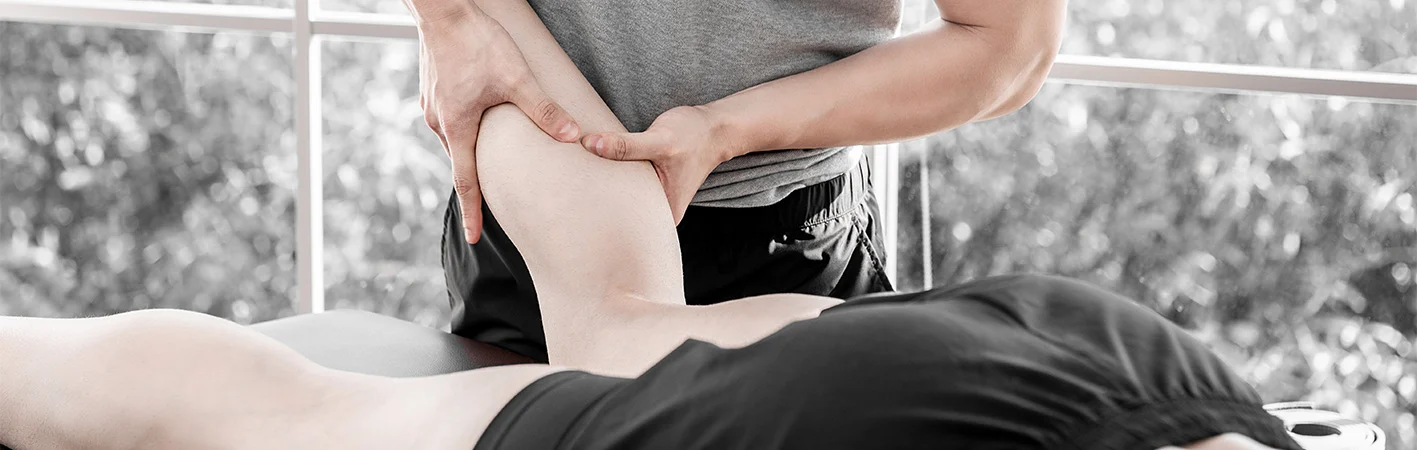
Unlike a relaxation massage, sports massage targets the muscle groups athletes punish the most. For basketball players, that means calves, quads, hip flexors, and shoulders — the engines of every jump shot and defensive slide.
The technique works on a few levels. Deep tissue manipulation breaks up adhesions and scar tissue that build up from repetitive motion. Improved blood flow flushes out metabolic waste and delivers oxygen to tired muscles. And perhaps most underrated, it calms the nervous system, shifting the body from fight-or-flight into genuine recovery mode.
Studies on athletic recovery consistently show that regular massage reduces delayed-onset muscle soreness and improves flexibility — two things every player needs when games come every other night.
The Recovery Routine of the Pros
Talk to any WNBA veteran and you’ll hear the same thing: recovery is a second job. The typical in-season routine includes massage sessions two to three times per week, often scheduled around travel days when the body takes its biggest beating from flights and bus rides.
Many teams now travel with massage therapists, a sign of how seriously the league takes player health. The investment pays off in fewer soft-tissue injuries and fresher legs in the fourth quarter — which, in a playoff race, is everything.
What Weekend Warriors Can Steal From the Pros
You don’t need a WNBA training staff to benefit. Here’s the practical version:
Timing matters. Schedule deeper work on rest days, not right before intense activity. A light flush massage after a hard workout is fine, but save the deep tissue for recovery days.
Communicate. A good sports massage therapist will ask about your training load. Tell them what’s sore, what’s tight, and what you’re training for. The session should be tailored, not generic.
Consistency beats intensity. One brutal deep-tissue session a month does less than regular moderate work every week or two. Recovery is cumulative.
Hydrate after. Massage moves fluid through tissue. Drinking water afterward helps the body clear what was mobilized.
Finding the Right Therapist
Look for someone certified in sports massage specifically, not just general Swedish massage. Ask whether they work with athletes — experience with basketball, running, or court sports is a plus because they’ll understand the movement patterns involved.
Price varies by market, but expect to invest roughly what you’d spend on good training shoes every couple of months. Given what it does for longevity, most athletes call it the best money in their routine.
The Bottom Line
Caitlin Clark’s logo threes and Angel Reese’s relentless rebounding don’t happen by accident. Behind every highlight is a recovery protocol, and sports massage sits at the center of it. Whether you’re chasing a championship or just trying to stay pain-free in your rec league, the pros have already figured out what works. The smart move is to copy them.