Playoff basketball is a different animal. The games get faster, the minutes get heavier, and the recovery windows shrink to almost nothing. So how do the players who thrive in October keep their legs fresh when every possession matters?
The answer starts with the engine room: the calves, quads, hamstrings, and hip flexors that absorb every cut, sprint, and landing. And the most effective tool for keeping those muscles firing is targeted sports massage focused on the lower body.
Why Legs Take the Biggest Beating
A guard changes direction dozens of times per game. A forward fights for rebounding position on nearly every possession. Each one of those movements loads the lower-body muscles eccentrically — the kind of work that produces the most soreness and stiffness.
In the playoffs, when teams play every other day with travel squeezed in between, that soreness never fully clears on its own. That’s where manual therapy earns its place. Sports massage increases blood flow to worked muscles, helps break down the tight spots that form from repetitive stress, and restores range of motion so the next game starts from something closer to full capacity.
What a Pro Leg-Recovery Session Looks Like
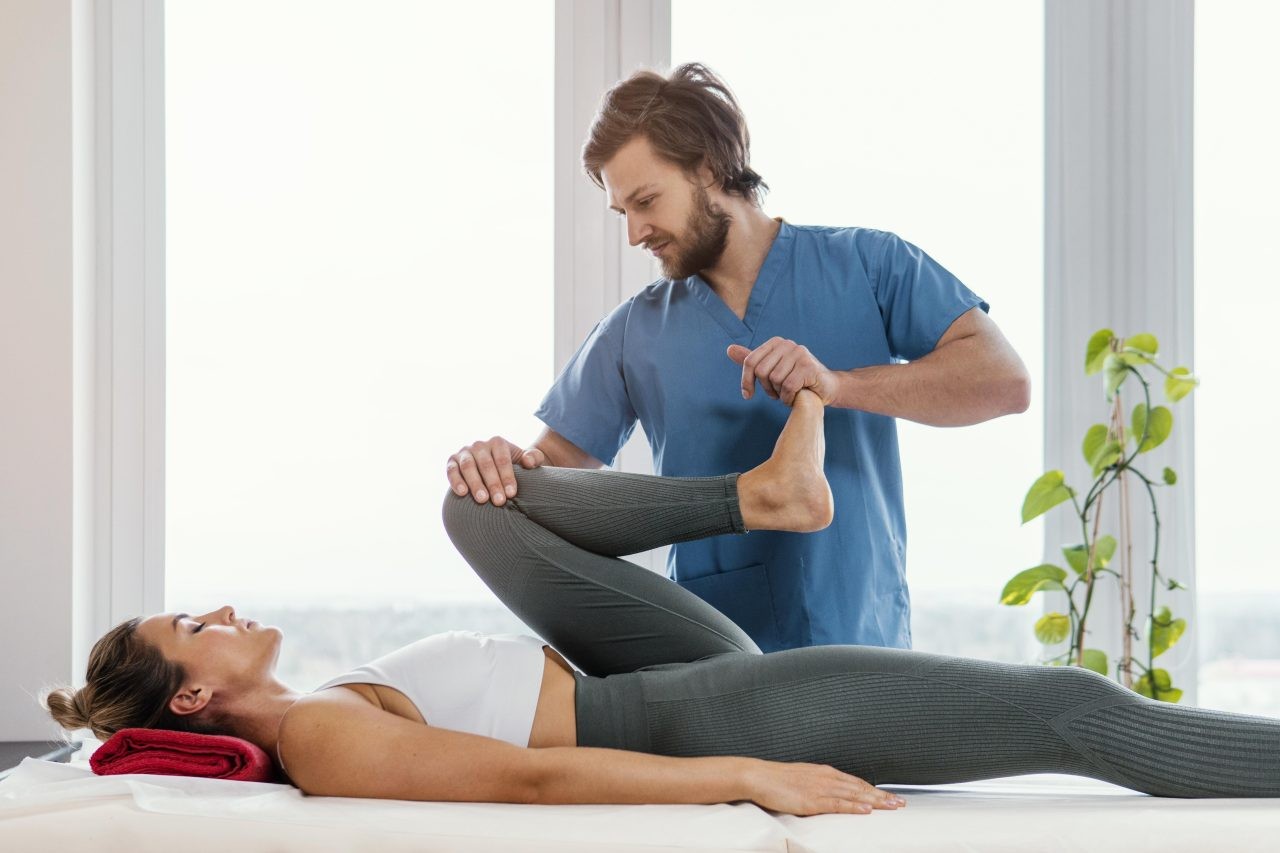
A focused lower-body session usually runs 30 to 45 minutes and follows a pattern:
Warm-up flush. Light strokes toward the heart to increase circulation and loosen the tissue before any deeper work. This is the part that feels good and does real work — moving fluid out of tired muscles.
Deep tissue work on hot spots. The therapist targets adhesions in the calves, IT bands, and hip flexors — the areas that seize up fastest in basketball players. This is the uncomfortable-but-effective part, and communication is key: it should feel like productive pressure, not pain.
Compression and stretching. Many therapists finish with compression techniques and assisted stretching to restore range of motion through the hips and ankles — the two joints that determine how explosive a player feels.
Timing It Around Games
The biggest mistake amateur athletes make is getting deep tissue work too close to game time. Pros typically schedule their deeper sessions on off days or travel days, when the body can absorb the work without needing to perform hours later.
On game days, the approach flips: a short, light flush massage or active warm-up techniques only. The goal is to wake the muscles up, not beat them up again.
The Home Version
You don’t need a team therapist to get most of the benefit. A foam roller or massage gun used for 10 minutes after activity can mimic the flush phase of a professional session. Focus on the calves, quads, and glutes — and spend extra time on any spot that’s consistently tight.
But the honest truth is that self-tools have limits. A trained sports massage therapist finds problems you can’t feel yourself and applies pressure angles you can’t reach on your own. That’s why the pros treat their sessions as essential, not optional.
The Bottom Line
October is when legs win championships. The players still sprinting in the fourth quarter of a closeout game aren’t just tougher — they’re better recovered. And behind most of those fresh legs is a recovery routine built around smart, consistent leg care.
Whether you’re chasing a playoff series or just trying to survive your rec league’s tournament weekend, the lesson is the same: take care of the engine, and the engine takes care of you.
This article is for general wellness information and is not medical advice. Consult a qualified professional for treatment of injuries.